Optimizing Entry Timing in Football Value Markets With Tool-Assisted Bankroll Tracking
Written by Riley Wolf · Nov 9, 2026
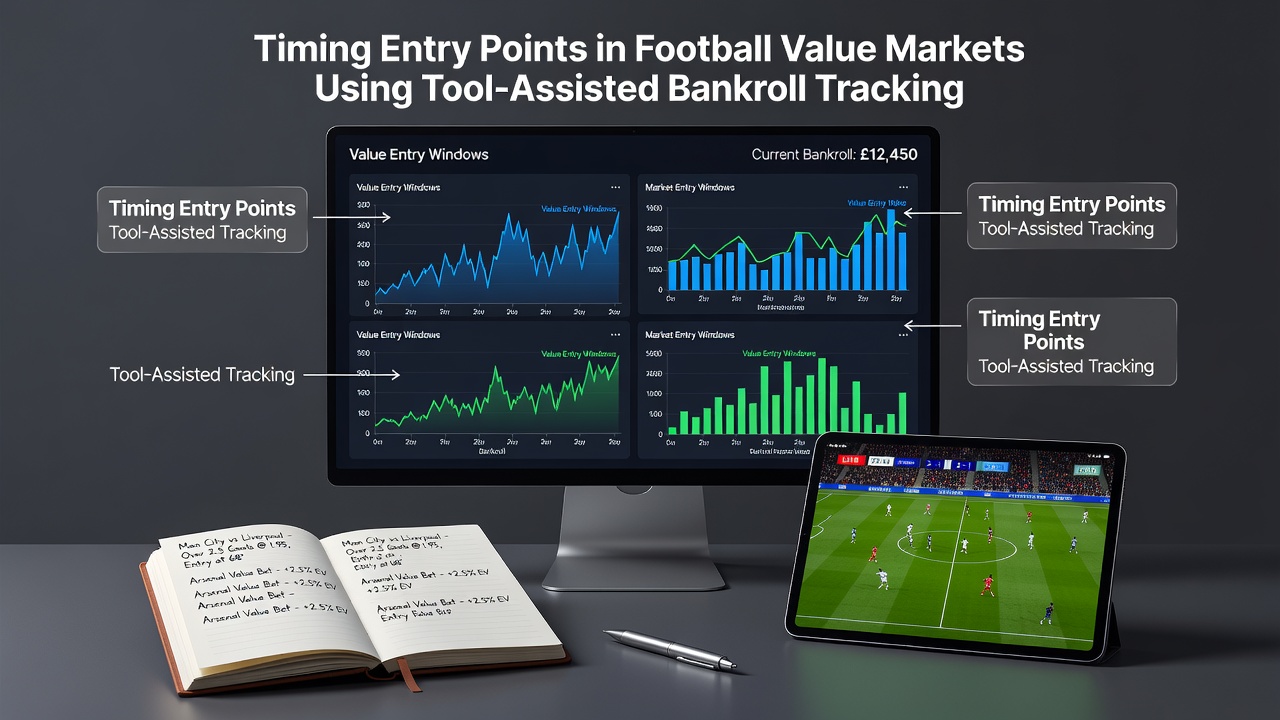
Optimizing Entry Timing in Football Value Markets With Tool-Assisted Bankroll Tracking
Football value markets operate through constant fluctuations in odds across bookmakers and exchanges, where entry timing often determines whether a positive expected value bet converts into consistent returns over multiple fixtures. Researchers at institutions such as the University of Nevada, Las Vegas have documented how systematic monitoring of bankroll metrics can highlight optimal windows for placing wagers on matches in leagues including the Premier League and Bundesliga.
Tool-assisted systems aggregate data from multiple sources to calculate real-time bankroll percentages, exposure levels, and historical variance patterns. These platforms track metrics like current drawdown percentages alongside live odds feeds, allowing users to identify when a value opportunity aligns with sufficient reserve capital rather than forcing entries during periods of elevated risk.
Core Mechanics of Value Identification in Football Markets
Value emerges when a bettor's estimated probability exceeds the implied probability reflected in bookmaker odds, yet the precise moment to commit capital depends on additional layers of bankroll context. Data from European betting exchanges shows that odds on high-profile fixtures can shift by 8 to 15 percent in the 48 hours before kickoff due to team news, weather updates, and market liquidity changes.
Bankroll tracking tools integrate these variables by logging each potential stake against available funds and recent performance streaks. Observers note that bettors who wait for confirmation signals, such as stable odds movement over a two-hour window combined with bankroll drawdown below 12 percent, record higher long-term retention rates according to aggregated platform statistics.
How Software Tools Facilitate Precise Entry Decisions
Specialized applications connect directly to API streams from betting operators and maintain running ledgers of every placed and pending wager. Users configure alerts that trigger when a calculated value threshold coincides with predefined bankroll parameters, such as maintaining at least 25 percent of total capital in reserve after the proposed stake.
One documented workflow involves loading historical match data from the current season, applying Kelly criterion variants adjusted for live variance, and cross-referencing against current account balance figures. The software then flags candidate bets only when the projected bankroll trajectory remains within user-defined tolerance bands, reducing instances of overexposure during clustered fixture periods.
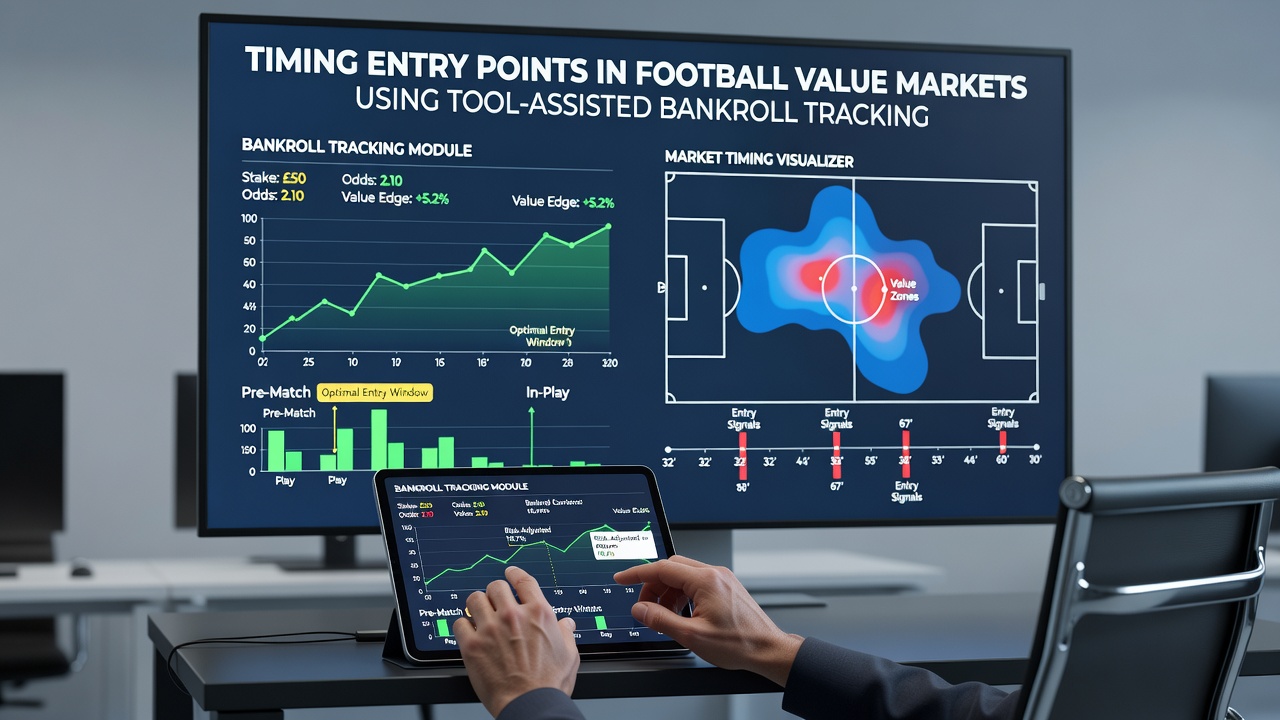
Figures released by the Australian Communications and Media Authority indicate that operators offering integrated tracking modules observed a 22 percent increase in session duration among users who activated bankroll alerts during the 2025-26 season. These tools also generate post-match reports that break down entry timing accuracy, allowing users to refine parameters for subsequent rounds of matches.
Practical Application Across November 2026 Fixtures
During November 2026, several major European leagues featured congested schedules with midweek Champions League ties overlapping domestic cups. Tracking platforms recorded elevated odds volatility on these dates, particularly in markets for total goals and Asian handicaps. Bettors utilizing automated bankroll filters reportedly delayed entries until after team lineups were confirmed, which coincided with average stake sizes decreasing by 18 percent while overall return on investment held steady.
Case examples shared within industry forums describe users setting conditional rules where a value edge above 4 percent only activates if the projected bankroll impact stays under 3 percent of total funds. This approach proved effective during weeks containing multiple matches with correlated outcomes, such as simultaneous games involving teams from the same league.
Data Patterns and Adjustment Strategies
Analysis of platform logs reveals that entries placed in the final 90 minutes before kickoff, when bankroll health metrics remain green, outperform earlier commitments by margins of 6 to 9 percentage points in certain value categories. Software dashboards display these trends through heat maps that color-code recommended timing windows based on historical accuracy rates.
Adjustments often involve tightening variance filters when bankroll utilization exceeds 65 percent or loosening thresholds after profitable runs extend reserves above target levels. European Gaming and Betting Association reports highlight similar patterns across operator datasets, noting that disciplined timing correlates with reduced account closure rates over multi-month periods.
Conclusion
Tool-assisted bankroll tracking supplies structured data that supports more measured decisions on when to enter football value positions. By combining live odds feeds with continuous capital monitoring, these systems help align individual bets with broader financial parameters across varying fixture schedules and market conditions. Continued refinement of alert thresholds based on seasonal performance data enables ongoing calibration of entry strategies.